Don’t Doom-Scroll the Market: Anthem Properties Explains Where Home Prices are Actually Headed

If you are sitting on the sidelines in Johnston, Harnett, Southern Wake, or Cumberland County waiting for the real estate market to implode so you can buy a house for the price of a used 2012 Honda Civic... we need to talk.
At Anthem Properties, we see it all the time. People are hovering over their real estate apps like doom-scrollers on a Sunday night, convinced that home prices are about to take a dramatic, Hollywood-style nosedive.
You’re probably thinking one of two things:
-
“I’ll wait for the crash and scoop up a Clayton mansion for pennies.”
-
“If I buy a house in Fuquay-Varina today, it will be worth less than my collection of vintage Beanie Babies tomorrow.”
Nobody wants to overpay. We get it. But we have a highly important, slightly awkward question to ask you: What if the crash you’re waiting for is a total ghost?
Because according to actual, non-TikTok data, that’s exactly what’s happening.
The Internet is Lying to You (Shocking, We Know)
If you spend ten minutes on social media, you’ll find self-proclaimed housing gurus screaming that the market is cooked. And sure, a few random cities across the country are seeing tiny price dips right now.
But a minor price correction in a handful of places does not equal a national housing apocalypse. In fact, data shows that home prices are still actively rising in 71% of housing markets nationwide (and NC is one of the leaders here).
Why haven't you heard that? Because "Local House Gains 2% Value, Neighborhood Continues to Be Just Fine" is a terribly boring headline. Doom sells clicks; stable growth doesn't.
To find out where things are actually going, we look at Fannie Mae’s Home Price Expectations Survey. This isn't just one guy with an opinion—it's a quarterly poll of over 100 top economists, housing experts, and market analysts.
Their collective consensus? They aren't calling for a crash.
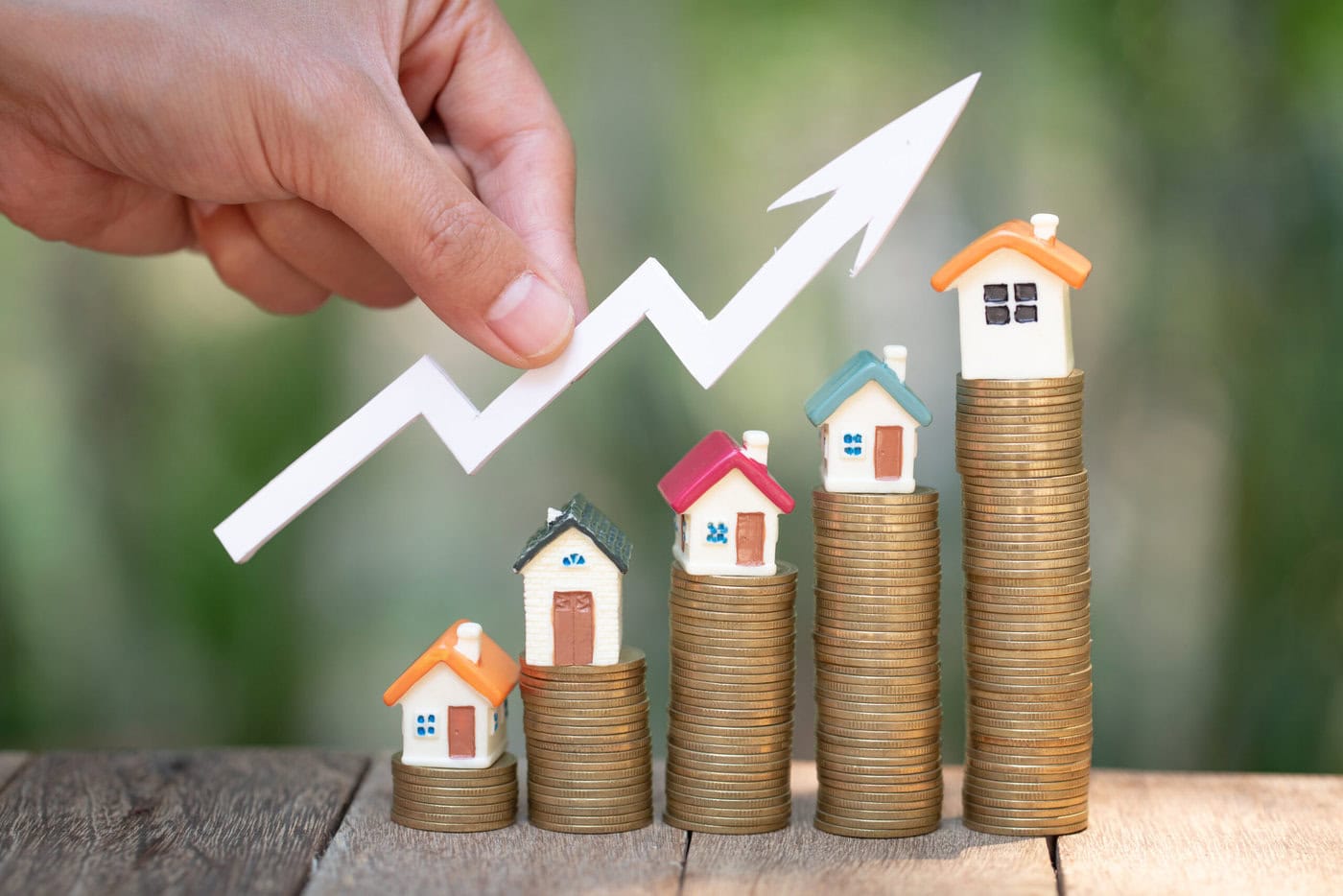
The average of their forecasts shows nationwide home prices rising steadily, year after year, for at least the next five years. They aren't predicting a wild rocket launch like we saw a few years back, but rather a boring, healthy climb.
Even the Negative Nancies Agree
Now, you might be thinking, "Sure, Anthem Properties, but those 'experts' are just real estate optimists."
Fair point. But the survey actually splits the experts into teams: the Bulls (the optimists) and the Bears (the pessimists).
-
The Optimists predict home prices will grow by about 4% a year.
-
The Pessimists predict they'll grow closer to 1% a year.
Notice something missing there? Neither side is predicting a drop. The big, dramatic debate among the smartest financial minds in the country isn't if prices will drop—it's just how much higher they are going to go.
What This Means for NC Buyers (The Part That Costs You Money)
Let's bring this to our backyard. Whether you are looking at a suburban spot in Southern Wake, a cozy lot in Johnston County, land in Harnett, or a home near Fort Bragg in Cumberland County, waiting for a market crash is a high-risk gamble where the house always wins.
Nationally, the data shows that if you bought a $400,000 home in January, you'd likely gain nearly $40,000 in equity over the next five years just from normal, steady appreciation.
If you choose to sit in your apartment for the next five years waiting for a crash, you aren't saving money—you’re just opting out of $40,000 in wealth-building while your rent likely goes up anyway. Real estate has a heart beat. Sometimes, its just a steady beat (1% gain), and other times its akin to an after workout heartbeat (5% gain). But rarely do you see real estate in the negative (where you pay more). Here's what home appreciation looks like in our area:
Average Home Equity Gains By County
| County / Region | Average Current Home Value | 5-Year Equity Gain (Bought ~2021) | 10-Year Equity Gain (Bought ~2016) |
| Southern Wake (Fuquay, Apex, Garner) | $475,000 | $165,000 to $190,000 | $270,000 to $310,000 |
| Johnston County (Clayton, Smithfield) | $344,000 | $115,000 to $135,000 | $200,000 to $225,000 |
| Harnett County (Angier, Lillington) | $295,000 | $95,000 to $110,000 | $165,000 to $185,000 |
| Cumberland County (Fayetteville, Hope Mills) | $232,000 | $80,000 to $95,000 | $135,000 to $150,000 |
Note: These numbers reflect estimated cumulative equity, combining historical local appreciation data (including the historic 2020–2022 market surge) and a standard principal paydown on a 30-year fixed mortgage.
Real estate is hyper-local. What happens in California doesn't dictate what happens in Smithfield, Lillington, or Fayetteville. If you want to stop guessing based on internet rumors and actually see what the numbers look like in your specific target neighborhood, skip the social media algorithms.
Reach out to us at Anthem Properties. Let's look at the real local data, find you a house, and leave the doom-scrolling behind.
Categories
Recent Posts